


 English
 中文简体
 русский
 Español
 Français
 عربى
 Português
 हिंदी
 Indonesia
 فارسی
 Tiếng Việt
 Türk



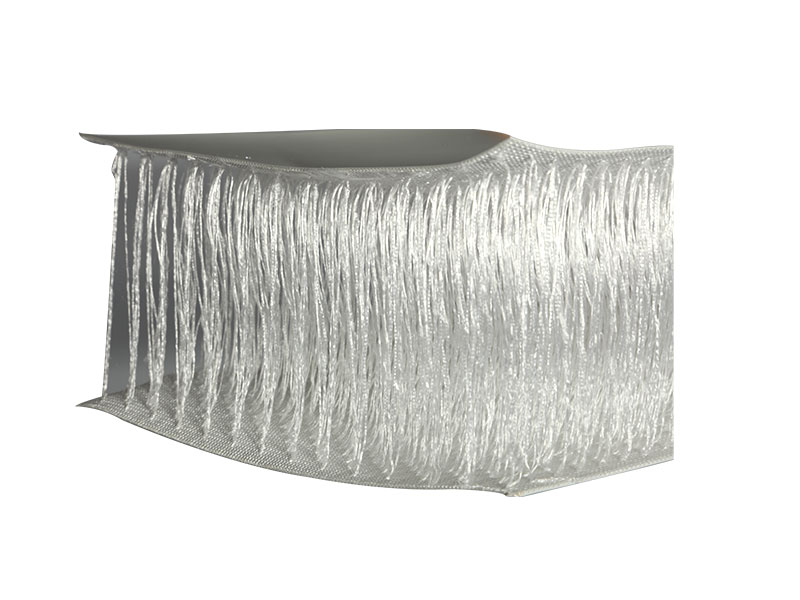

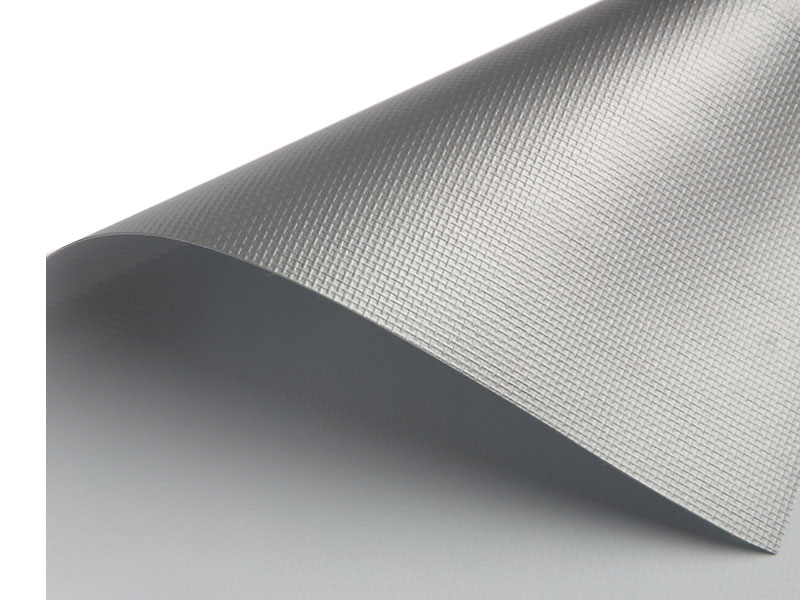
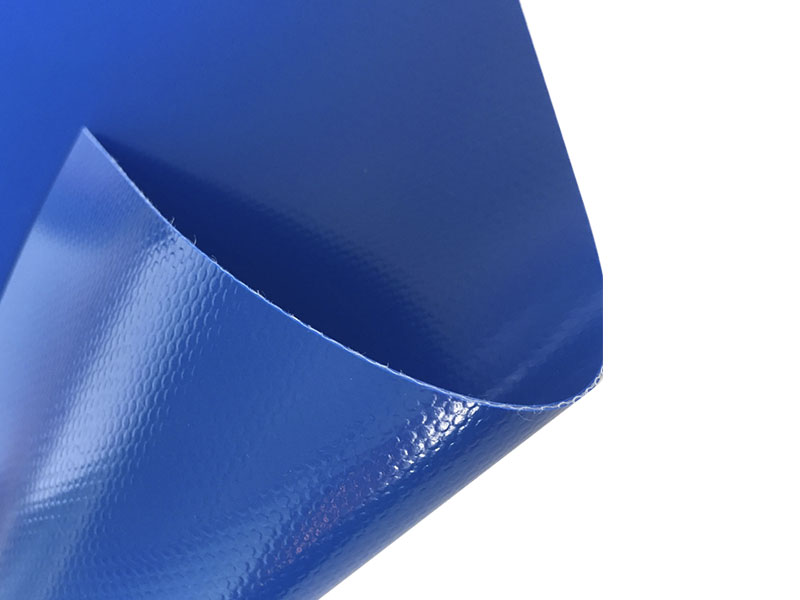
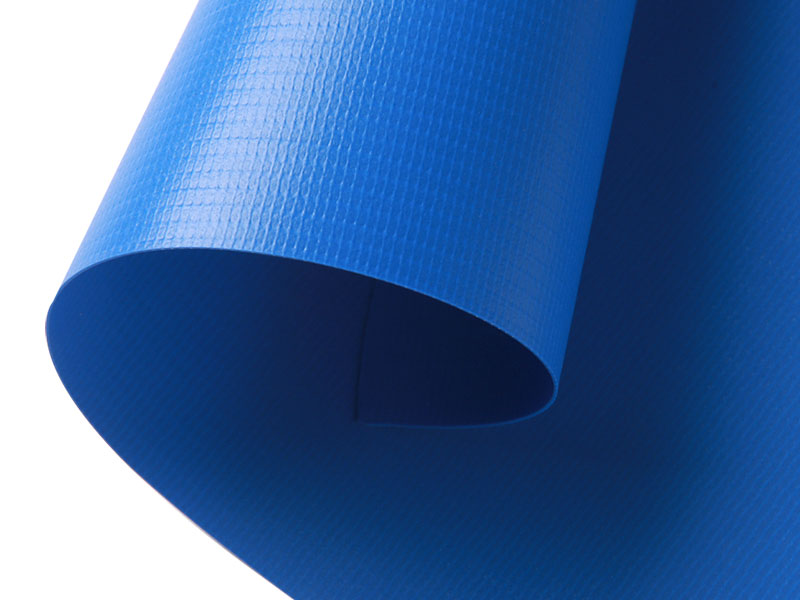
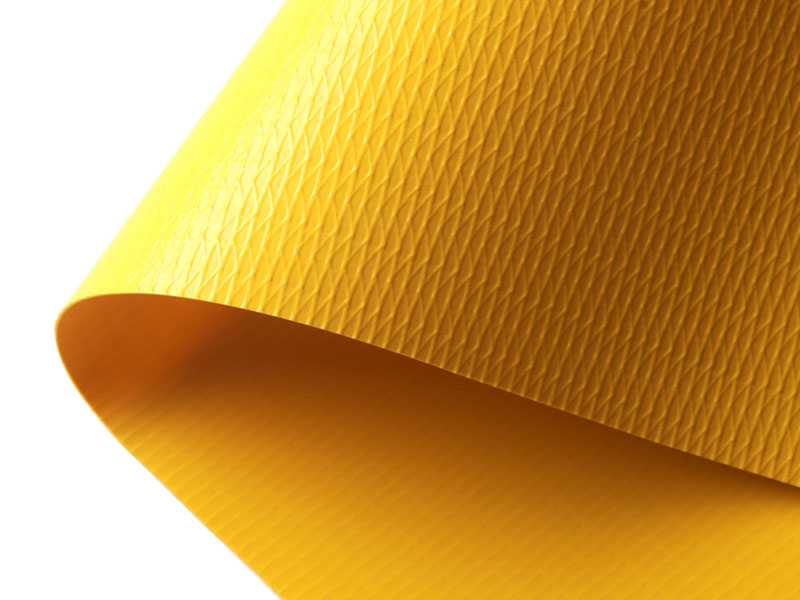
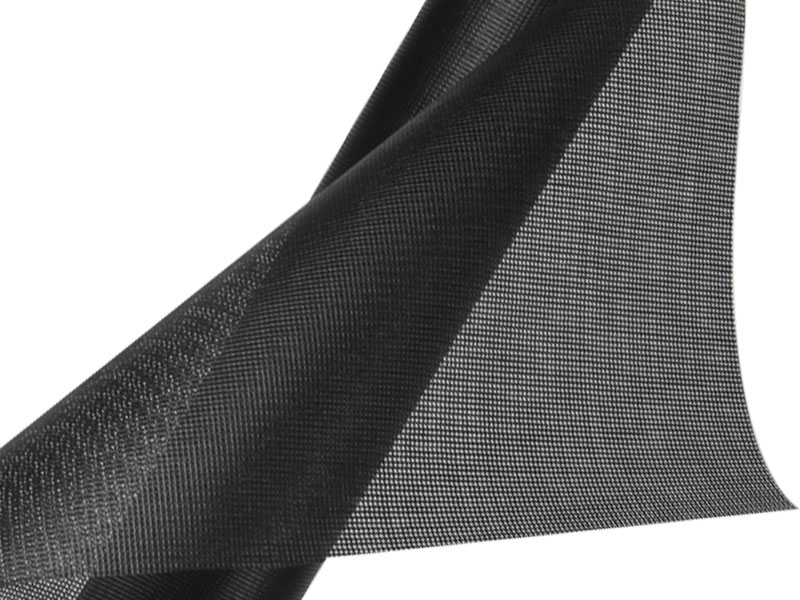
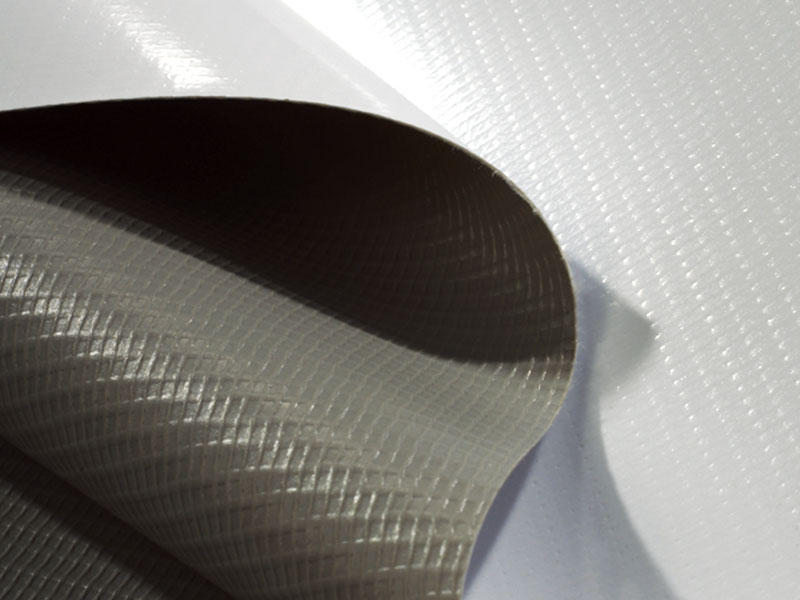
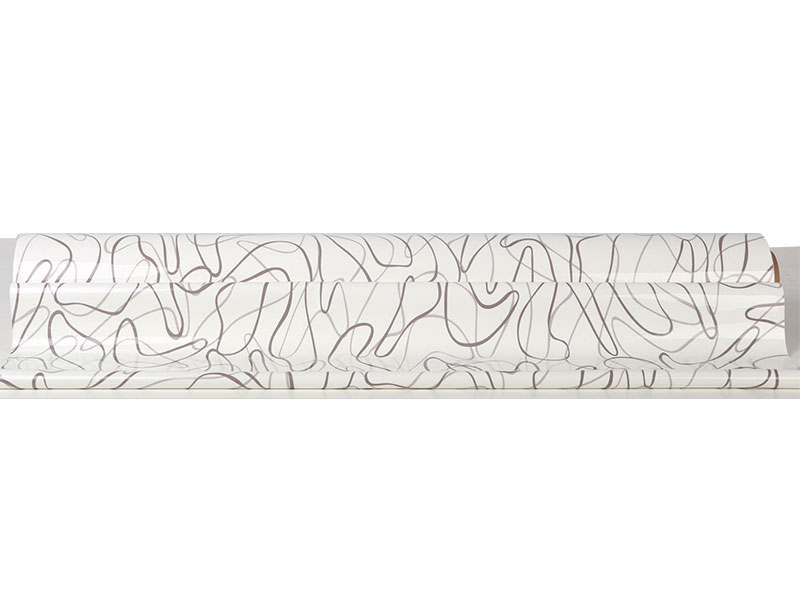
PVC Fabric for Ventilation Ducts
PVC fabric for ventilation ducts is a flexible coated textile material used in the fabrication of duct sections, connectors, and air distribution components. Its combination of flexibility, coated surface, and textile reinforcement makes it suitable for duct systems that require a flexible connection between ventilation equipment and fixed ductwork.
Material selection depends on the operating air temperature, airflow conditions, duct diameter, installation layout, pressure requirements, and exposure environment. For manufacturers of flexible ducting and ventilation equipment, the fabric must also support the intended cutting, joining, and forming processes. The appropriate PVC fabric specification should therefore be matched to the complete duct assembly rather than selected by weight or thickness alone.
Final suitability depends on the material grade, duct design, and specified operating conditions.
Fabric Construction for Flexible Ventilation Ducting
PVC ventilation duct fabric generally combines a textile reinforcement layer with PVC coating. The textile base contributes to mechanical support, while the coating provides the functional surface required for duct fabrication and service conditions.
Textile reinforcement
The base fabric influences tensile behavior, dimensional stability, flexibility, and resistance to handling damage. Yarn type, weave construction, and fabric density should be specified according to the duct design.
PVC coating layer
The PVC coating forms the functional surface of the material. Coating formulation and thickness affect flexibility, surface condition, resistance to moisture, and compatibility with the intended fabrication process.
Finished fabric surface
Surface finish may influence cleaning, handling, and processing behavior. The finish should be evaluated in relation to the actual ventilation environment and joining method.
Do not specify by GSM alone
Two fabrics with similar weight can behave differently because of variations in reinforcement, coating formulation, coating distribution, and manufacturing process.
For repeat production, define the material structure and physical properties in the purchasing specification.
Performance Factors in Ventilation Duct Applications
The fabric must be evaluated against the actual operating conditions of the duct system. The following factors help manufacturers and procurement teams establish a suitable material specification.
Temperature resistance
Check the continuous operating temperature range and any short-term temperature exposure separately. PVC formulations may respond differently to prolonged heat, temperature cycling, and localized hot air.
Confirm actual temperature limits with material test data.Flexibility and bending
Flexible duct sections may be bent, compressed, repositioned, or repeatedly handled during installation. Fabric flexibility and resistance to coating damage should be considered at the expected service temperature.
Evaluate bending behavior under representative conditions.Tensile and tear properties
Reinforcement strength affects material handling and resistance to mechanical stress. Tensile and tear performance should be verified in both fabric directions using agreed test methods.
Request warp and weft test results where relevant.Air leakage and joint integrity
Air retention depends on the fabric, seams, connectors, and assembly design. The finished duct should be tested at its specified operating pressure rather than relying on fabric properties alone.
Test the complete assembly, including seams and connections.Environmental compatibility
Moisture, dust, oils, cleaning agents, and other transported substances may affect material performance. Chemical compatibility should be confirmed for the actual substances and exposure conditions.
Do not assume general PVC fabric is suitable for every exhaust stream.Fire and smoke requirements
Some ventilation projects require specified flame behavior or smoke performance. These requirements depend on building regulations, equipment type, and installation location.
Request relevant test reports for the exact material grade.Processing Requirements for Flexible Duct Manufacturers
Fabric converting affects the consistency and reliability of finished ventilation ducts. Before bulk production, confirm that the selected fabric is compatible with the required cutting, joining, and reinforcement operations.
Panel dimensions
Confirm roll width, cutting tolerance, material direction, and pattern dimensions to reduce waste and maintain consistent duct geometry.
Seam formation
Hot-air, high-frequency, or other joining processes may be considered depending on the PVC formulation and fabric construction. Trial joints should be inspected before production.
Connection areas
Flanges, collars, rings, and attachment zones may require additional reinforcement according to the mechanical loads and connection design.
Finished duct inspection
Inspect seam continuity, dimensions, connection fit, and leakage performance according to the duct system's technical requirements.
Pressure resistance, air leakage, collapse behavior, and mechanical stability depend on the assembled duct, including its diameter, length, reinforcement, support spacing, and connection design.
Potential Applications of PVC Ventilation Duct Fabric
Depending on the material specification and finished duct design, PVC-coated fabric may be used in selected flexible air distribution and ventilation applications.
Industrial ventilation
Flexible duct sections for selected general ventilation arrangements in production and workshop environments.
Temporary air distribution
Flexible air delivery connections for temporary ventilation setups and movable equipment.
HVAC connections
Selected flexible duct connectors or non-critical flexible sections in compatible HVAC arrangements.
Equipment ventilation
Flexible connections between ventilation units, air handling equipment, and ductwork.
General PVC ventilation fabric should not automatically be specified for high-temperature exhaust, smoke extraction, hazardous chemical fumes, combustible dust, or other safety-critical air handling duties. These applications require materials and complete duct assemblies specifically tested and approved for the intended service.
Technical Details to Define Before Ordering
For duct manufacturers, distributors, and ventilation equipment suppliers, a structured specification helps align material supply with downstream fabrication requirements.
| Item | Specification to confirm |
|---|---|
| Fabric construction | Textile base, weave type, reinforcement, and PVC coating structure |
| Weight | Target GSM and allowable tolerance |
| Thickness | Nominal thickness and measurement method |
| Tensile strength | Warp and weft values with test method |
| Tear strength | Required values in relevant fabric directions |
| Temperature range | Continuous operating temperature and short-term exposure requirements |
| Roll dimensions | Fabric width, roll length, and packaging format |
| Processing compatibility | Cutting, welding, joining, and reinforcement requirements |
| Compliance | Applicable fire, smoke, or industry-specific test requirements |
Inspection Priorities for PVC Duct Fabric
Material inspection should be based on an agreed technical specification and consistent test procedures. For repeat orders, retain approved samples and compare production batches against the same criteria.
Incoming material inspection
Check roll identification, appearance, surface defects, width, weight, and thickness.
Mechanical property testing
Verify tensile strength, tear resistance, and other agreed physical properties.
Fabrication trial
Evaluate cutting, joining, seam strength, and dimensional behavior using the intended production process.
Finished duct testing
Assess air leakage, pressure behavior, and connection integrity against the requirements of the completed duct system.
Frequently Asked Questions
What is PVC fabric for ventilation ducts?
It is a flexible PVC-coated textile used to manufacture selected flexible duct sections and ventilation connections. The textile reinforcement provides mechanical support, while the PVC coating forms the functional surface. The exact construction varies by product specification.
Can PVC-coated fabric be used for hot air ventilation?
Only when the specific material grade has been verified for the required continuous and short-term temperatures. PVC formulations have different heat resistance characteristics. Buyers should obtain temperature test data and confirm that the finished duct assembly is suitable for the operating conditions.
Is PVC ventilation duct fabric airtight?
The coated fabric may provide an air-retaining material surface, but finished duct airtightness also depends on seams, joints, connectors, and assembly quality. The completed duct should be tested under the specified operating pressure.
Can the fabric be used to manufacture flexible air ducts?
It may be used for selected flexible duct constructions when its flexibility, reinforcement, coating, and processing characteristics match the duct design. Diameter, operating pressure, support structure, and connection details must also be considered.
What joining methods can be used?
Depending on the material formulation and construction, potential methods include hot-air welding and high-frequency welding. The appropriate method should be confirmed through processing trials and seam-strength evaluation.
Is standard PVC duct fabric suitable for smoke extraction?
Not automatically. Smoke extraction is a safety-critical application that may require specific fire, smoke, temperature, and system-level performance approvals. Standard PVC-coated fabric should not be treated as suitable without the relevant documented evidence.
What information should buyers provide when requesting a quotation?
Provide the required GSM, thickness, roll width, reinforcement structure, temperature range, operating pressure, finished duct dimensions, installation environment, joining process, and any applicable compliance requirements. These details help determine whether a material specification is appropriate.