


 English
 中文简体
 русский
 Español
 Français
 عربى
 Português
 हिंदी
 Indonesia
 فارسی
 Tiếng Việt
 Türk



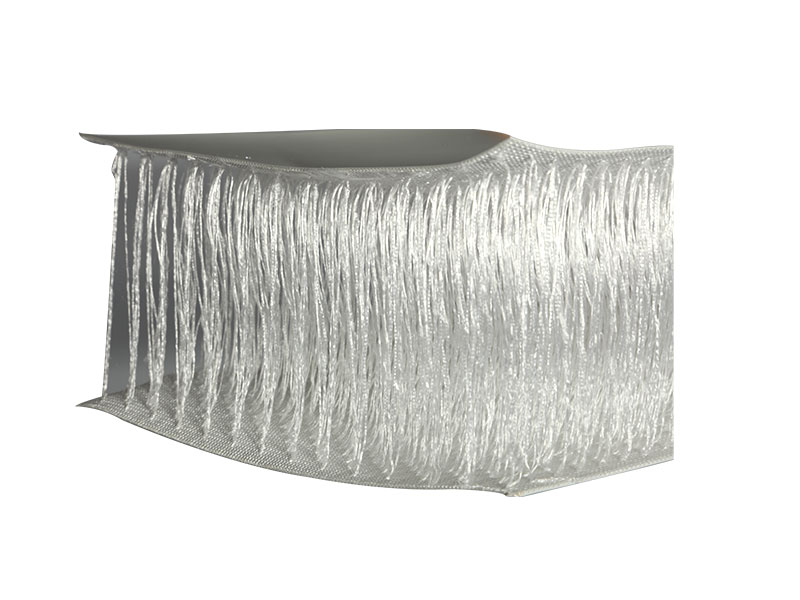
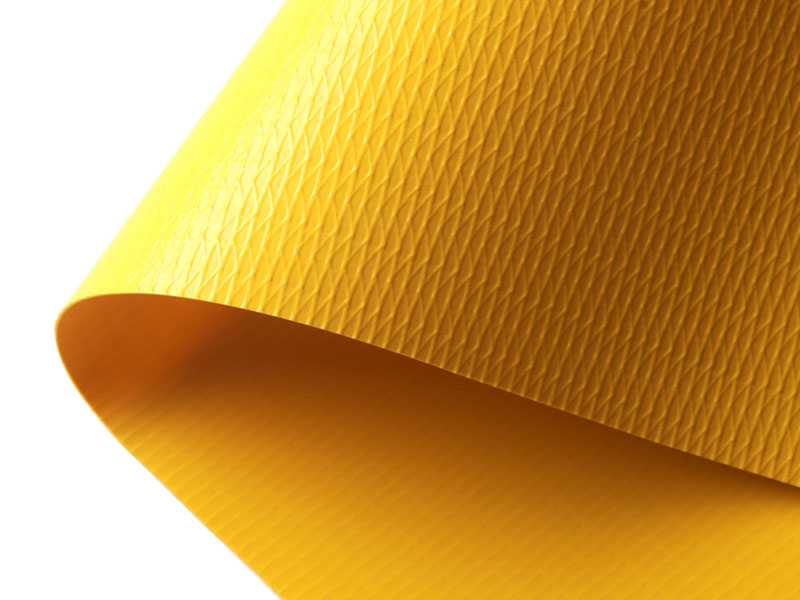
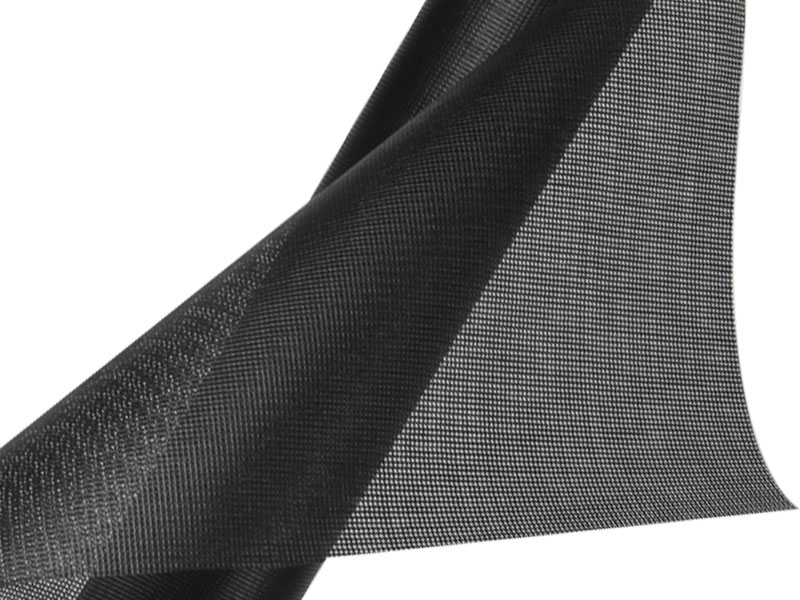
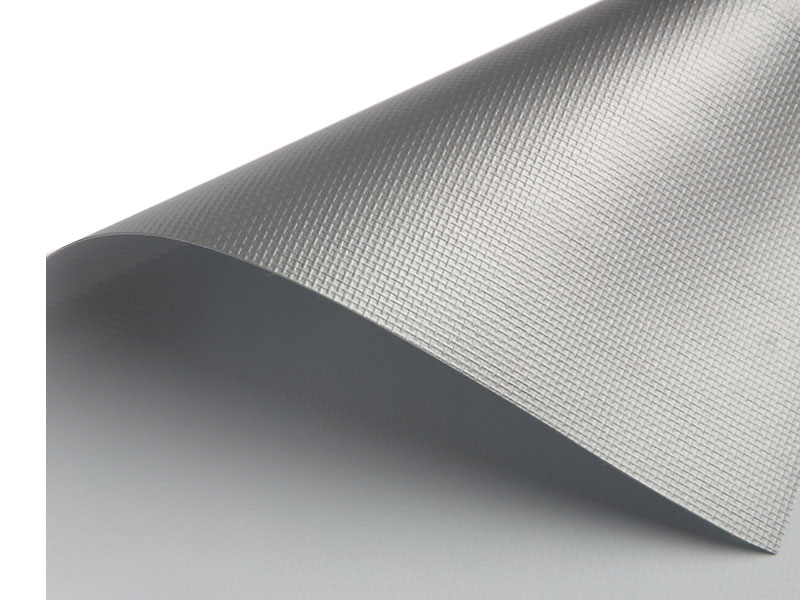
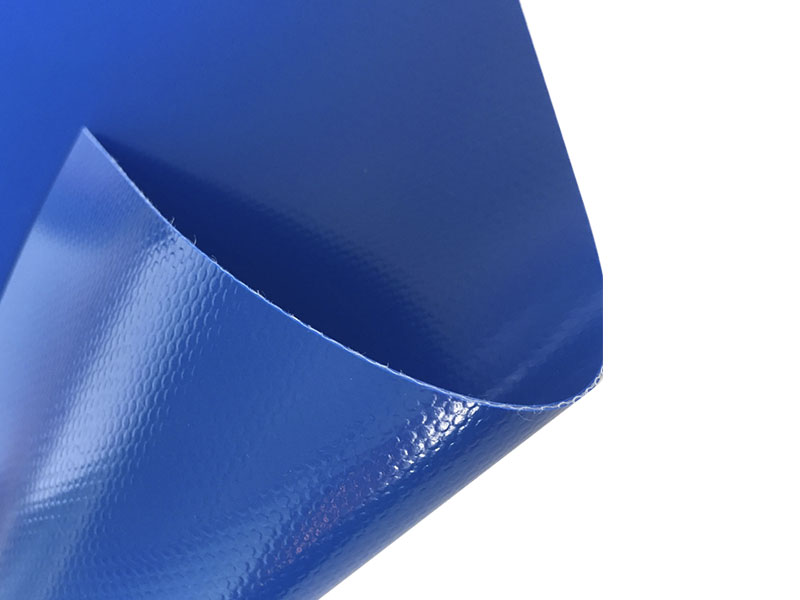
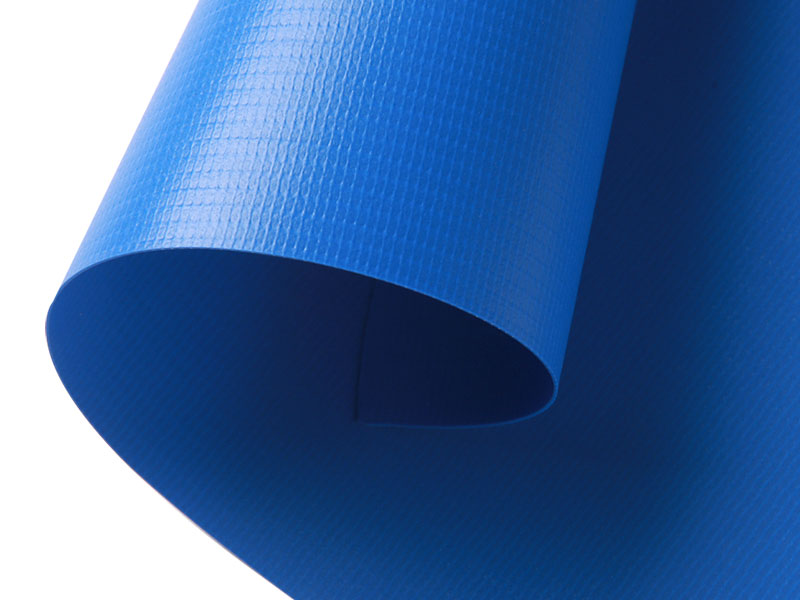
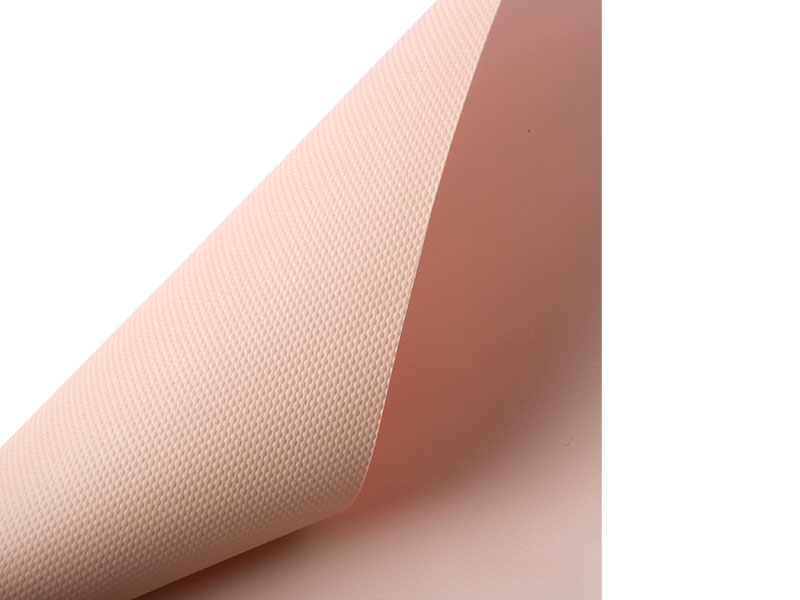
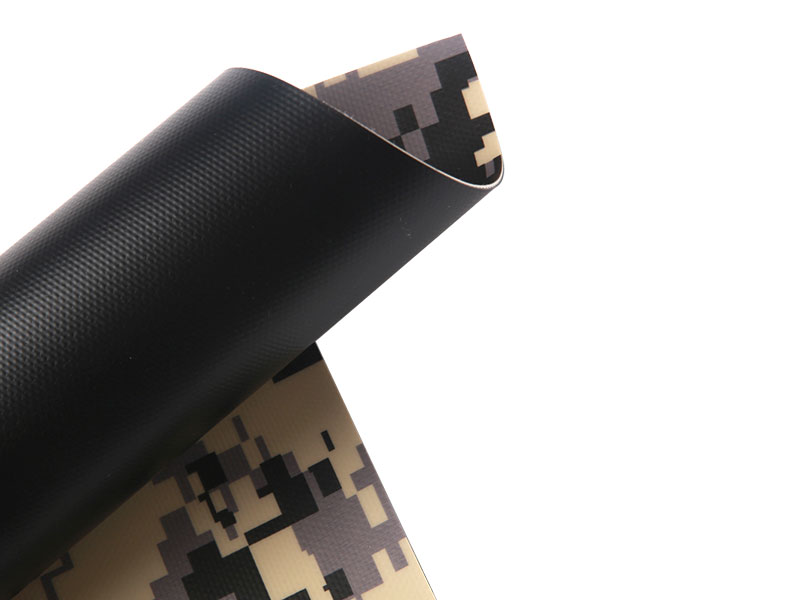
3200GSM PVC Air Track Fabric
3200GSM PVC Air Track Fabric is a heavy-gauge coated textile engineered for inflatable air track construction, gymnastics training surfaces, and air tumble track assemblies. The base cloth is a high-tenacity polyester scrim with a 9x9 to 12x12 threads per inch weave, coated on both faces with plasticized polyvinyl chloride to a total fabric weight of 3200 g/m². The coating is applied through knife-over-roll or hot-melt calendering, followed by high-frequency or hot-air welding during fabrication. The fabric is supplied in rolls up to 2.0 m wide and is specified where drop-stitch or chambered air retention structures must withstand repeated dynamic loading from gymnasts, trampoline users, and parkour athletes.
Why 3200GSM Is Specified for Air Track Construction
Load Distribution Under Dynamic Impact
The 3200 g/m² coating mass provides a tensile strength of 3,500 N/5cm to 4,500 N/5cm in warp and weft directions, depending on the scrim construction. This permits the fabric to distribute point loads from landing impacts across a wider area of the air chamber, reducing stress concentration at internal baffle seams and weld lines.
Puncture and Abrasion Resistance
The coating thickness on 3200GSM PVC Air Track Fabric ranges from 0.55 mm to 0.70 mm per face. Taber abrasion testing to ASTM D4060 returns weight loss values below 0.30 g at 1,000 cycles with H-18 wheels, supporting use on gym floors and outdoor training areas where contact with abrasive surfaces occurs.
Air Retention Through Weld Integrity
High-frequency welding of the PVC coating creates a molecular bond across the seam. At 3200 g/m², the coating mass provides sufficient material thickness for weld penetration without burning through the scrim. Peel strength of welded seams typically reaches 80 N/5cm to 120 N/5cm, and chamber pressure loss is held below 5% over a 24-hour period at 0.3 bar internal pressure.
Dimensional Stability Under Pressure
The polyester scrim in 3200GSM PVC Air Track Fabric is heat-set before coating, limiting elongation to 3% to 5% at break load. Under repeated inflation and deflation cycles, the fabric maintains chamber geometry without permanent stretch, which preserves the intended bounce characteristics of the air track over its service life.
Fabric Construction Data
Where 3200GSM Fabric Is Applied
Technical Questions from Fabricators and Buyers
What welding method is recommended for joining 3200GSM fabric?
High-frequency dielectric welding is the primary method for 3200GSM PVC Air Track Fabric. The coating thickness supports a welding window of 0.5 to 2.5 seconds at 27.12 MHz, depending on electrode configuration. Hot-air welding with a 40 mm nozzle at 350°C to 400°C is used for field repairs and complex geometries where HF tooling is not available. Both methods should produce seam peel strength of at least 80 N/5cm when tested to ASTM D413.
How does the fabric perform at low temperatures during winter storage?
3200GSM PVC Air Track Fabric remains flexible to -30°C when the plasticizer package is selected for cold-weather service. Standard formulations are rated to -20°C. For facilities that store inflated equipment in unheated spaces, specify the cold-flexible grade. Do not fold or crease the fabric below -10°C; allow the material to warm to 10°C or above before unrolling and inflating.
What causes chamber seam failure and how is it prevented?
Seam failure in air track construction typically originates from insufficient weld pressure, contaminated coating surfaces, or stress concentration at baffle junctions. Ensure coating surfaces are cleaned with isopropyl alcohol before welding, maintain electrode pressure within the equipment specification, and reinforce internal baffle attachment points with a second weld pass or a patch of the same fabric. Pressure testing each chamber at 1.5 times the service pressure before shipment identifies weak seams before the product reaches the end user.
Is 3200GSM fabric suitable for drop-stitch construction?
3200GSM PVC Air Track Fabric is used in drop-stitch panels where high chamber pressures above 0.5 bar are required. The fabric weight provides sufficient coating mass to anchor drop-stitch yarns without pull-through. For drop-stitch panels, the coating adhesion to the scrim is the critical property; specify a minimum of 100 N/5cm adhesion for drop-stitch applications to prevent yarn pull-out under pressure cycling.
How should the fabric be cleaned and maintained between seasons?
Clean 3200GSM PVC Air Track Fabric with a neutral pH detergent solution and a soft brush or cloth. Rinse with clean water and allow to dry completely before deflating and folding. Do not use solvent-based cleaners, acetone, or chlorine bleach, which extract plasticizer from the coating and accelerate surface cracking. Store deflated equipment in a dry, ventilated area away from direct sunlight and sharp objects.
Fabrication and Storage Guidance
- Store 3200GSM PVC Air Track Fabric rolls horizontally on a core-supported rack in a dry area at 15°C to 30°C. Avoid stacking rolls more than two high to prevent compression creasing of the coating.
- Allow rolls to equilibrate to workshop temperature for at least 24 hours before cutting or welding. Cold fabric exhibits reduced coating flexibility and may crack at fold lines during handling.
- Cut fabric with a sharp rotary blade or hot knife. Die cutting and plotter cutting are acceptable for panel shapes; inspect cut edges for coating delamination before welding.
- Maintain welding equipment electrodes clean and free of PVC residue. Carbonized residue on electrodes causes arcing and surface burns that compromise seam integrity.
- Test-weld a sample from each roll before production welding. Coating formulation and plasticizer content can vary slightly between production batches, and weld parameters may require adjustment.