

 English
 中文简体
 русский
 Español
 Français
 عربى
 Português
 हिंदी
 Indonesia
 فارسی
 Tiếng Việt
 Türk




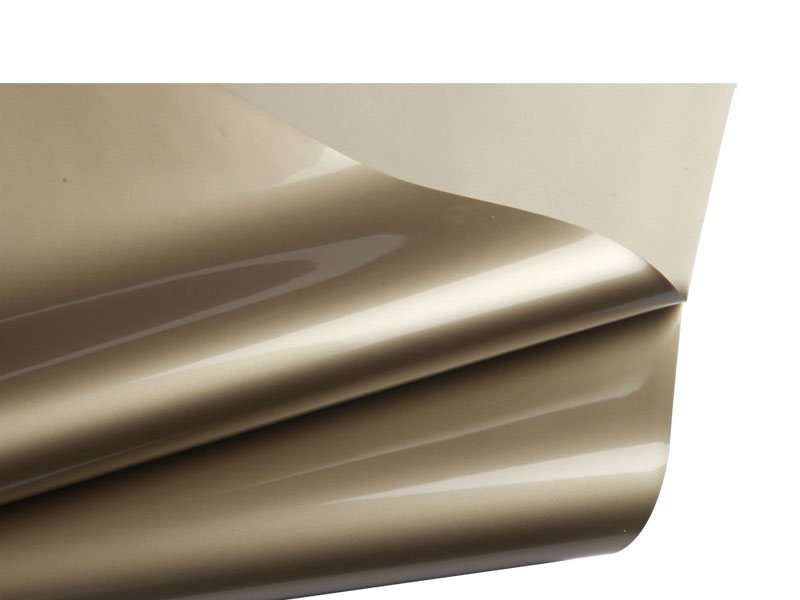

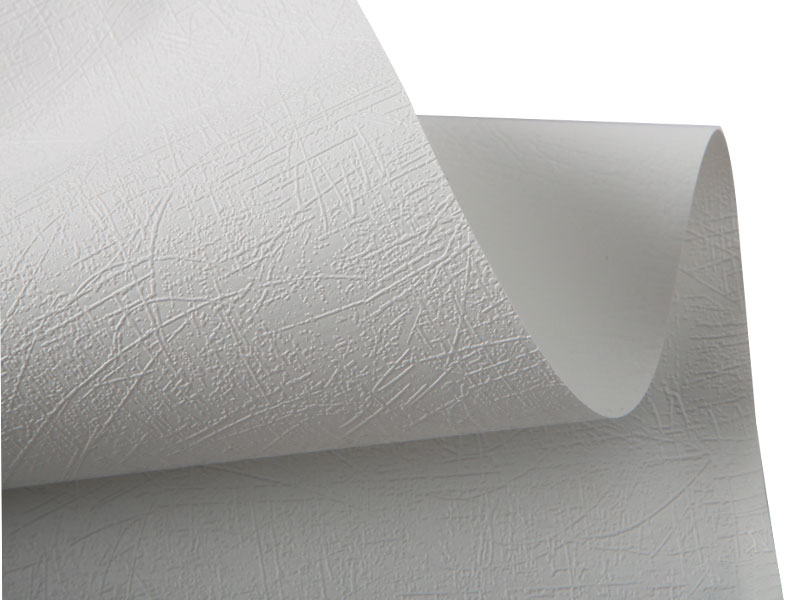

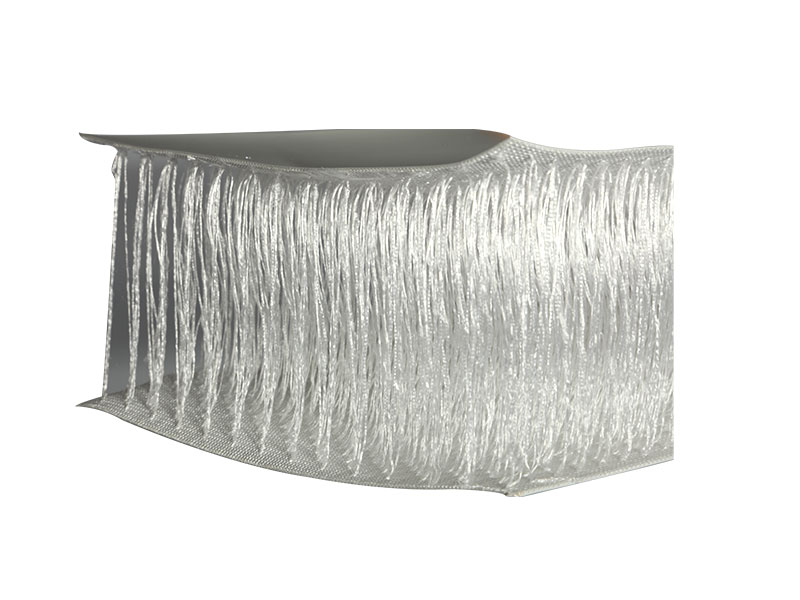


Anti-Static PVC Industrial Film
Anti-Static PVC Industrial Film is designed for industrial environments where the accumulation of electrostatic charge on a flexible PVC film surface needs to be controlled. Its static-control behavior is determined by the PVC formulation, anti-static additives or surface treatment, film thickness, and surrounding environmental conditions.
Depending on the specified grade, the film can be considered for protective partitions, industrial curtains, equipment enclosures, material handling areas, and other applications where static accumulation may interfere with handling or attract airborne dust. Buyers should distinguish between anti-static and electrostatic dissipative materials, since these terms describe different levels of electrical behavior and do not automatically indicate suitability for ESD-protected workstations.
For procurement, the key requirements are surface or volume resistivity, charge decay behavior where applicable, film thickness, transparency, flexibility, and compatibility with the intended installation. Performance should be confirmed through test data for the actual film grade.
How Anti-Static PVC Film Controls Charge Accumulation
When flexible plastic materials are separated, rubbed, moved, or handled, electrostatic charge can accumulate on their surfaces. Anti-static formulations are intended to reduce charge buildup or make charge dissipation easier under defined conditions.
Charge generation
Friction, contact, separation, and material movement can generate electrostatic charge on insulating surfaces.
Charge accumulation
Without suitable static-control properties, charge may remain on the film surface and attract dust or affect nearby processes.
Controlled dissipation
The anti-static formulation or treatment is designed to reduce charge retention or support charge dissipation within its specified operating range.
Anti-static performance does not mean that the film is electrically conductive or that it provides a grounding path. A complete static-control system may require conductive components, grounding, humidity management, and appropriate handling procedures.
Formulation and Film Construction
The electrical behavior of anti-static PVC industrial film depends on the material formulation and production process. Two films with similar appearance and thickness may show different electrical characteristics.
PVC Film Matrix
PVC provides the flexible film structure. Its formulation influences flexibility, mechanical behavior, transparency, surface condition, and processing compatibility.
- Film thickness and dimensional consistency
- Flexibility and handling characteristics
- Surface appearance and transparency
- Compatibility with the intended fabrication process
Anti-Static System
Static-control properties may be introduced through suitable additives, surface treatments, or other formulation approaches. The selected method affects performance stability and maintenance requirements.
- Surface or volume electrical characteristics
- Charge decay behavior, if specified
- Potential sensitivity to humidity and contamination
- Performance changes after cleaning or aging
Do not assume that every anti-static PVC film uses the same additive system or provides permanent static-control performance. The actual formulation, test method, and performance retention should be confirmed with the manufacturer.
Anti-Static, Dissipative, and Conductive: What Is the Difference?
These terms should not be treated as interchangeable in technical specifications. The required electrical category depends on the sensitivity of the equipment, process, and electrostatic risk being managed.
Anti-Static
Generally describes a material designed to reduce electrostatic charge generation or accumulation. The exact meaning and acceptance criteria should be defined by the applicable product specification.
Electrostatic Dissipative
Describes materials with electrical properties intended to allow static charge to dissipate at a controlled rate. Classification requires a defined resistance range and test method.
Conductive
Describes a material with a more conductive electrical path than typical anti-static or dissipative films. Conductivity alone does not establish safe grounding or suitability for a particular ESD system.
Potential Application Areas
Anti-static PVC film may be considered in industrial environments where flexible separation or covering materials are needed and static behavior is part of the material selection criteria.
Industrial Strip Curtains
Flexible partitions for selected production areas, access openings, and material transfer zones where dust attraction and charge accumulation are relevant considerations.
Equipment and Machine Enclosures
Flexible protective panels or curtains around selected industrial equipment where visibility and static-control requirements need to be considered together.
Material Handling Areas
Flexible separation or protective film around selected material handling processes where plastic surfaces may be exposed to repeated contact and movement.
Industrial Partition Systems
Flexible partition panels used to separate work areas while retaining a degree of visual access, subject to the required transparency and static-control properties.
Protective Film Components
Fabricated film components for selected industrial applications where a flexible PVC sheet with defined electrical characteristics is required.
Anti-static PVC film should not automatically be specified for semiconductor cleanrooms, explosive atmospheres, flammable vapor areas, or sensitive electronic assembly environments. These applications may require certified materials and a complete ESD or hazardous-area control system.
Electrical and Physical Properties to Include in the Specification
For technical purchasing, define measurable acceptance criteria before sample approval. The following properties should be selected according to the application rather than assumed from the anti-static product name.
Characterizes electrical resistance along the film surface under defined conditions.
Measured value, unit, test method, temperature, and humidity.Characterizes electrical resistance through the thickness of the material.
Test result and specimen conditioning details.Shows how quickly electrostatic charge decreases under a specified test setup.
Initial voltage, decay endpoint, elapsed time, and test conditions.Affects handling, flexibility, dimensional fit, and material consumption.
Nominal thickness, tolerance, and measurement method.Relevant to installation tension, handling, and resistance to pulling forces.
Test direction, tensile strength, and elongation results.Important when the film is used for visual separation or equipment observation.
Transparency, haze, color, and appearance requirements.Helps evaluate changes after aging, cleaning, repeated handling, or environmental exposure.
Before-and-after test results under agreed conditions.Surface resistance, surface resistivity, volume resistivity, and charge decay are different measurements. Results from different methods or conditioning environments should not be compared as if they were equivalent. For ESD-related use, agree on the applicable standard and acceptance limits with the end-user or system designer.
How to Specify the Correct Anti-Static PVC Film
A practical specification should connect the electrical requirement to the film's physical dimensions, processing method, and working environment.
Define the static-control objective
Determine whether the requirement is to reduce charge buildup, achieve a specified resistance range, or meet a defined charge-decay target.
Identify the installation environment
Provide operating temperature, relative humidity, dust exposure, cleaning practices, contact materials, and expected movement or friction.
Set the film dimensions
Specify thickness, width, roll length, dimensional tolerance, color, transparency, and surface finish.
Confirm processing compatibility
Clarify whether the film will be cut, welded, sewn, punched, or fitted with mounting accessories. Check that processing does not compromise the required static-control properties.
Approve samples and test records
Evaluate representative samples and verify electrical and physical properties using agreed test methods before confirming production specifications.
Production Checks for Consistent Supply
For distributors, industrial converters, and repeat-order buyers, the acceptance process should cover both electrical performance and the physical condition of the supplied film.
Incoming material verification
Check raw material identification and formulation records against the approved production specification.
Film dimension inspection
Measure thickness, width, roll length, and dimensional consistency using agreed sampling procedures.
Electrical property testing
Measure the specified electrical properties under controlled and documented environmental conditions.
Appearance inspection
Review surface defects, color variation, clarity, contamination, and roll condition.
Batch traceability
Maintain batch identification, test records, and approved samples to support repeat-order consistency.
Information to Include in an RFQ
Providing the following details helps manufacturers assess whether a particular anti-static PVC film grade matches the intended application.
| Specification | Buyer input |
|---|---|
| Static-control requirement | Anti-static, dissipative, or a defined electrical property |
| Electrical test criteria | Required resistance or charge-decay values and applicable test method |
| Film thickness | Nominal thickness and acceptable tolerance |
| Roll dimensions | Width, length, and winding requirements |
| Appearance | Color, transparency, haze, and surface finish |
| Working environment | Temperature, humidity, dust, chemicals, and cleaning conditions |
| Processing method | Cutting, welding, sewing, punching, or assembly requirements |
| Order arrangement | Sample quantity, trial order, annual demand, and packaging |
Sample approval checklist
Before mass production, align the physical sample with the agreed specification.
- Electrical test results are documented.
- Thickness and roll dimensions are confirmed.
- Appearance meets the approved sample.
- Film processing has been evaluated.
- Environmental test conditions are recorded.
- Acceptance criteria are agreed by both parties.
Frequently Asked Questions
Common technical and purchasing questions about anti-static PVC industrial film.
What is anti-static PVC industrial film used for?
It is used in selected industrial applications where a flexible PVC film is needed with controlled electrostatic behavior. Potential uses include industrial curtains, flexible partitions, equipment enclosures, and protective film components. Suitability depends on the measured electrical properties and installation conditions.
Does anti-static PVC film prevent all static electricity?
No. Anti-static materials are designed to reduce charge generation or accumulation, or to support charge dissipation under defined conditions. They do not eliminate every source of static electricity and cannot replace grounding or other controls required by an ESD protection system.
What is the difference between anti-static and ESD-safe PVC film?
Anti-static is a general material description, while ESD-safe suitability depends on defined electrical properties and the requirements of the complete handling or workstation system. A film should not be described as ESD-safe without supporting test results and application-specific validation.
Does humidity affect anti-static PVC film performance?
It can. Some anti-static systems are sensitive to relative humidity because moisture conditions can influence surface electrical behavior. Buyers should request test data under relevant humidity conditions and confirm whether the specified properties remain suitable in the intended environment.
Is anti-static performance permanent?
Not necessarily. Performance retention depends on the formulation or surface treatment, aging, cleaning, abrasion, contamination, and operating conditions. Request durability or aging data when long-term static-control behavior is important.
Can anti-static PVC film be transparent?
Transparent or translucent grades may be available depending on the formulation and manufacturing process. The required clarity, haze, color, thickness, and electrical properties should be confirmed together because changing one formulation target may affect other film characteristics.
Can the film be cut or welded into finished components?
Cutting and joining may be possible depending on the film construction. Welding compatibility should be confirmed through processing trials. Electrical properties should also be checked on the finished component when the application requires static control across seams or processed areas.
What electrical data should buyers request?
Depending on the application, request surface resistivity or resistance, volume resistivity, and charge-decay results. Each result should include the test method and relevant environmental conditions, such as temperature and relative humidity.